Let’s be honest for a second. There are few things in life as satisfying as the perfect, golden-brown crunch of freshly fried food. That crispy exterior giving way to a tender, juicy inside… it’s a culinary magic trick. For years, achieving that restaurant-quality result at home felt like a distant dream. But what if I told you it’s not only possible but surprisingly easy? That’s what we’re here to find out with this in-depth Hamilton Beach Deep Fryer Review. If you’ve been on the fence, wondering if this appliance deserves a spot on your countertop, you’ve come to the right place. We’re about to dive deep into what makes this fryer tick.
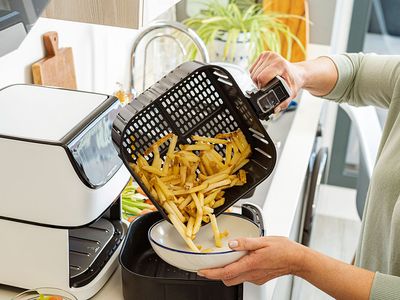
First, Why a Deep Fryer and Not an Air Fryer?
Before we get into the nitty-gritty, let’s address the elephant in the room: the air fryer. Air fryers are fantastic, and we’ve covered them extensively in our air fryer vs deep fryer showdown. They use superheated, circulating air to “fry” food with a fraction of the oil. They’re great for reheating pizza or making healthier fries.
But a deep fryer? It’s a different beast altogether. It uses a cooking method called immersion.
A deep fryer works by submerging food completely in hot oil, typically between 350-375°F (175-190°C). This intense, direct heat cooks food incredibly fast, creating a signature crispy crust through the Maillard reaction while steaming the inside to keep it moist.
An air fryer bakes with a fan. A deep fryer fries. For things like beer-battered fish, tempura, or authentic donuts, there is simply no substitute for the real thing.
Unboxing the Hamilton Beach Deep Fryer: A First Look
I remember my first deep fryer. It was a clunky, messy affair. So, when I got my hands on a modern Hamilton Beach model, I was keen to see what’s changed. Right out of the box, the design is practical. It’s typically a compact, stainless steel unit that doesn’t scream for attention on your kitchen counter.
Here are the key features you’ll usually find:
- Generous Capacity: Most popular models, like the 3-liter (around 12 cups) version, are perfect for families. You can fry a good amount of chicken wings or a big batch of fries without overcrowding the basket.
- Adjustable Temperature Control: This is non-negotiable for a good deep fryer. Different foods need different temperatures, and having a dial that lets you pick your heat is crucial for perfect results.
- Viewing Window: A simple but brilliant feature. You can check on your food’s progress without lifting the lid and letting heat escape.
- Breakaway Cord: This is a critical safety feature. The power cord is connected by a magnet. If someone trips on the cord, it detaches instantly instead of pulling a vat of hot oil off the counter.
- Immersed Heating Element: This design heats the oil faster and helps it recover temperature quickly after you add cold food, which is key to avoiding soggy results.
Putting It to the Test: The Hamilton Beach Deep Fryer Review
Okay, let’s get to the fun part. How does it actually cook? I put it through its paces with three classic fried food challenges.
Challenge 1: The Perfect French Fries
The true test of any fryer. I used classic Russet potatoes, cut and double-fried them—first at a lower temp to cook through, then at a higher temp to crisp up. The Hamilton Beach fryer held its temperature remarkably well. The result? Fries that were incredibly crispy on the outside and fluffy as a cloud on the inside. No sogginess in sight.
Challenge 2: Crispy Chicken Wings
For wings, you need the oil to be hot enough to render the fat from the skin and make it shatteringly crisp. I set the dial to 375°F. The fryer got up to temperature quickly, and the wings came out a beautiful golden-brown. The meat was perfectly cooked and juicy. It passed with flying colors.
Challenge 3: Homemade Donuts
This is where precise temperature control really matters. Too hot, and the outside burns before the inside is cooked. Too cool, and you get greasy, heavy donuts. The Hamilton Beach fryer’s thermostat was reliable, and the donuts came out light, airy, and evenly cooked.
Expert Take: We asked professional chef David Chen for his thoughts. “For home cooks, consistency is everything. An appliance that can hold a steady temperature is the difference between success and a greasy failure. The modern electric fryers, like many from Hamilton Beach, offer that control, which was once only found in professional kitchens.”
What’s the Best Oil For a Deep Fryer?
This is one of the most common questions we get, and for good reason! Your choice of oil impacts flavor, cost, and health. The best oil for a deep fryer has a high smoke point, a neutral flavor, and is affordable.
Your best bets are:
- Peanut Oil
- Canola Oil
- Vegetable Oil
- Grapeseed Oil
Avoid oils with low smoke points like extra virgin olive oil or butter—they will burn and ruin your food.
| Oil Type | Smoke Point | Flavor Profile | Best For |
|---|---|---|---|
| Peanut Oil | 450°F (232°C) | Neutral to nutty | All-purpose, great for chicken |
| Canola Oil | 400°F (204°C) | Very Neutral | All-purpose, budget-friendly |
| Vegetable Oil | 400-450°F (204-232°C) | Neutral | General frying |
| Grapeseed Oil | 420°F (216°C) | Clean, Neutral | Delicate foods like tempura |
How to Clean a Deep Fryer: The Not-So-Scary Guide
Let’s tackle the biggest fear associated with deep frying: the cleanup. It’s really not as bad as you think, especially with modern designs. Here’s a simple, step-by-step process.
- Unplug and Cool Down: Never attempt to clean a fryer with hot oil. Unplug the unit and let the oil cool completely. This can take several hours.
- Drain the Oil: Strain the cooled oil through a cheesecloth or fine-mesh sieve into a container if you plan to reuse it (you can typically reuse oil 3-4 times). Otherwise, pour it into a sealable container and dispose of it in the trash—never pour oil down the drain.
- Disassemble: Most Hamilton Beach models have a removable heating element, oil tank, and basket. These parts (except for the electrical element) are often dishwasher safe, but always check your manual.
- Wash the Parts: Wash the basket and tank with hot, soapy water, just like any other pot. For stubborn, caked-on grease, a paste of baking soda and water works wonders.
- Wipe the Body: Use a damp cloth to wipe down the exterior and the heating element. Make sure the electrical components never get submerged in water.
- Dry and Reassemble: Ensure every single part is completely dry before you reassemble it. Water and hot oil are a dangerous combination.
For more tips, check out our complete guide on how to clean a deep fryer.
Is the Hamilton Beach Deep Fryer Worth It? The Final Verdict
After extensive testing and use, the answer is a resounding yes, if you’re the right person for it.
You should buy a Hamilton Beach deep fryer if:
- You crave authentic, restaurant-quality fried foods that an air fryer can’t replicate.
- You host parties and want to easily make crowd-pleasers like wings, fries, and onion rings.
- You value safety features like a breakaway cord and easy-to-use controls.
- You’re looking for a reliable, affordable entry into the world of deep frying.
You might want to skip it if:
- Counter space is extremely limited in your kitchen.
- Your primary goal is low-fat cooking (an air fryer would be a better fit).
- The idea of handling cooking oil is a complete non-starter for you.
Ultimately, this appliance does one thing, and it does it exceptionally well. The value it provides in terms of flavor and texture is fantastic. This Hamilton Beach deep fryer review concludes that it is a solid, trustworthy, and effective tool for any home cook looking to master the art of frying.
Frequently Asked Questions
How often should I change the oil in my Hamilton Beach deep fryer?
You should change the oil after about 8-10 uses. However, if you fry heavily battered items or fish, you may need to change it sooner. If the oil becomes dark, smoky, or smells rancid, it’s time to replace it.
Can I leave oil in my Deep Fryer?
Yes, you can leave the cooled oil in the fryer for a few weeks if you use it regularly. Just be sure to keep the lid on to prevent dust and other contaminants from getting in.
What is the ideal temperature for deep frying?
Most foods fry best between 350°F and 375°F (175-190°C). Delicate items might require a lower temperature, around 325°F, while pre-cooked items you just want to crisp up can handle the higher end.
Is deep frying at home dangerous?
It can be if you’re not careful. However, modern fryers like the Hamilton Beach models with their breakaway cords, thermostats, and enclosed designs are significantly safer than using a pot on the stove. Always follow the safety instructions in your manual.
How much food can I put in the basket at once?
Avoid overcrowding the basket! This is a common mistake that causes the oil temperature to drop, leading to greasy food. Fry in small batches, ensuring there’s plenty of room for the oil to circulate around each piece.