Let’s be real for a moment. That plate of perfectly golden, crispy French fries or that mouth-watering fried chicken didn’t just magically appear. It was the glorious work of your deep fryer. But after the feast comes the cleanup, and that’s where the magic can feel a little… greasy. Knowing exactly How To Clean Deep Fryer After Use isn’t just a chore; it’s the secret to making sure your next batch of fried goodness tastes just as amazing, and that your trusty appliance lasts for years. Forget the dread—we’re about to make this process simple, straightforward, and surprisingly satisfying.
Proper maintenance is more than just about a shiny appliance; it’s a cornerstone of kitchen safety. A well-maintained machine is a safer machine, a principle that also applies to understanding essential deep fryer fire prevention tips for complete peace of mind.
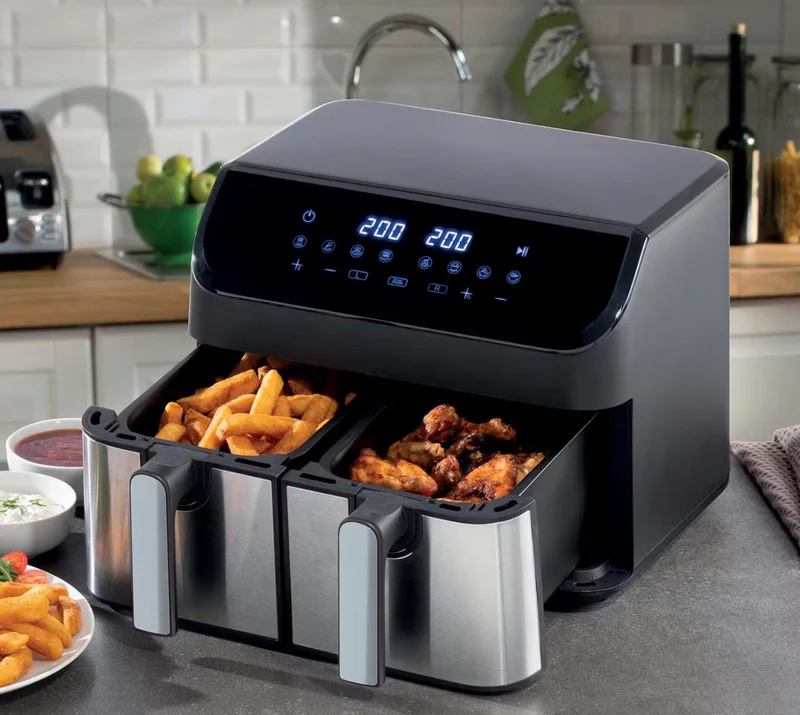
Why a Squeaky Clean Deep Fryer Matters More Than You Think
Ever bite into something that tastes a little… off? Like the ghost of last week’s fish and chips has haunted your fresh batch of donuts? That’s the taste of old, burnt oil and leftover food particles. Cleaning your deep fryer isn’t just about aesthetics.
- Flavor Purity: Old, broken-down oil and floating food bits will transfer unpleasant, rancid flavors to your new food. A clean fryer means every dish tastes fresh and exactly as it should.
- Appliance Longevity: Caked-on grease and grime can damage the heating element and non-stick surfaces over time, drastically shortening the life of your fryer.
- Oil Efficiency: Clean oil lasts longer. When you fry in a dirty unit, the leftover particles cause the oil to break down and degrade much faster, forcing you to replace it more often.
- Safety: Built-up grease is a fire hazard. Keeping your unit clean is a fundamental safety practice.
Expert Take by Chef David Chen: “I tell every home cook the same thing: treat your deep fryer like you treat your favorite skillet. A clean cooking environment is non-negotiable for good food. The residue from a single cook can impact the flavor profile of the next ten.”
The Essential Pre-Cleaning Checklist: Safety First!
Before you even think about soap and water, we need to cover the two most important rules of the game. Do not skip these steps.
- Unplug the Unit: This is not optional. Water and electricity are not friends. Unplug the deep fryer from the wall outlet completely.
- Let the Oil Cool Down COMPLETELY: Hot oil can cause severe burns. Depending on the size of your fryer, this can take several hours. Never, ever attempt to move or clean a fryer with hot oil in it. Patience is your best friend here.
Your Step-by-Step Guide on How to Clean a Deep Fryer
Once your fryer is unplugged and the oil is at room temperature, it’s time to roll up your sleeves. We’ll break it down into manageable steps.
Step 1: Drain and Deal with the Old Oil
The first and most critical task is removing the used cooking oil. Pouring it down the drain is a huge no-no; it will solidify and cause major plumbing blockages. For a comprehensive breakdown, learning how to dispose of used frying oil is a must for any responsible fryer owner.
- Carefully pour the cooled oil through a fine-mesh sieve or cheesecloth into a sealable container (an old milk jug or the oil’s original bottle works well). This filters out the food bits.
- If the oil is still good for another use (light in color and doesn’t smell rancid), you can store it in a cool, dark place.
- If it’s time to discard it, seal the container tightly and dispose of it according to your local regulations. Many home chefs are now exploring eco friendly oil disposal tips to minimize their environmental impact.
Step 2: Disassemble the Fryer
Most modern deep fryers are designed to be taken apart easily. Remove the frying basket, the lid, and any other detachable parts. Consult your user manual if you’re unsure. This makes cleaning each component much more effective.
Step 3: Wash the Removable Parts
The basket and lid are usually where most of the grease and crumbs accumulate.
- Check for Dishwasher-Safe Parts: Your manual is key here. Many frying baskets and non-electrical lids are dishwasher safe. If so, pop them on the top rack for an easy clean.
- Hand-Washing Method: If not, or if you prefer to hand-wash, soak the parts in a sink filled with hot, soapy water. Use a non-abrasive sponge or brush to scrub away any stuck-on residue. A little bit of dish soap with a degreasing agent works wonders.
Step 4: The Main Event: Cleaning the Fryer’s Interior
This is where the real grime lives. Don’t be intimidated; we have a simple and effective method.
- Initial Wipe-Down: Use a paper towel or a plastic spatula to gently scrape out any large, loose food particles and pools of oil from the bottom of the fryer reservoir.
- Fill and Boil: Fill the fryer with water up to the maximum oil level line. Add a few drops of dish soap.
- The Secret Ingredient: For extra power against stubborn grease, add 2-3 tablespoons of baking soda or about a quarter cup of white vinegar to the water. Do not mix baking soda and vinegar directly. Use one or the other.
- Heat it Up (Carefully): Plug the fryer back in and turn it on. Bring the water to a gentle boil and let it simmer for 5-10 minutes. This will loosen all that cooked-on gunk.
- Cool and Scrub: Unplug the unit again and let the water cool down enough to handle safely. Pour the water out. Use a non-abrasive sponge or cloth to wipe down the interior. The grime should come off easily now. For any remaining tough spots, a paste of baking soda and water is an excellent, gentle abrasive.
Step 5: Rinse, Dry, and Reassemble
This is a critical final stage. If your appliance stops working, it’s often related to moisture getting into the wrong places. For troubleshooting common issues, understanding how to fix deep fryer not turning on can be a lifesaver.
- Wipe the interior with a clean, damp cloth to remove any soap or cleaning residue.
- Dry everything THOROUGHLY. Use a soft, dry towel to wipe down the interior and all the components. Let everything air dry for an extra hour to ensure no moisture is left behind.
- Once completely dry, reassemble your deep fryer. Now it’s ready for your next culinary adventure!
What is the best oil for a deep fryer?
The best oil for a deep fryer has a high smoke point, a neutral flavor, and is affordable. Canola, peanut, vegetable, and sunflower oils are all excellent choices for their ability to withstand high heat without breaking down quickly.
I remember my first deep fryer, a simple model I got for my college apartment. I figured I could get away with cleaning it “every once in a while.” After a few weeks, my chicken tenders started tasting vaguely of onion rings. It was a lesson learned the hard way: a clean fryer is the foundation of delicious food. Sometimes, modern smart fryers can even have their own quirks; knowing how to reset smart deep fryer can solve issues that seem complex but are often just a software glitch.
Frequently Asked Questions
How often should I perform a deep clean on my fryer?
For regular home use (1-2 times a week), a full deep clean is recommended after every 3-4 uses. You should, however, strain the oil after every single use to remove food particles.
Can I use oven cleaner on my deep fryer?
No. Oven cleaners contain harsh chemicals that can damage the fryer’s non-stick coating and internal components. Stick to dish soap, baking soda, or vinegar for a safe and effective clean.
What’s the best way to get rid of the fried oil smell?
The vinegar boiling method is fantastic for this. Simmering a solution of water and white vinegar (a 4:1 ratio of water to vinegar) for about 10-15 minutes will help neutralize any lingering odors.
My heating element is not removable. How do I clean it?
Be very careful. Never submerge a non-removable heating element in water. After draining the oil, use a soft brush and a degreasing dish soap solution to gently scrub the element. Wipe it clean with a damp cloth and ensure it is 100% dry before use.
Why is there a sticky film on the outside of my fryer?
That’s aerosolized grease that has settled and hardened. You can tackle this with a cloth dipped in a warm solution of white vinegar and water or a dedicated kitchen degreaser spray.
Your Fryer is Ready for Action
There you have it—a comprehensive, no-fuss guide on how to clean Deep Fryer after use. By turning this into a regular habit, you’re not just cleaning an appliance; you’re investing in better-tasting food, a longer-lasting machine, and a safer kitchen. That greasy, daunting task is now a simple routine that unlocks a world of crispy, delicious possibilities. So go ahead, fry up your next masterpiece with confidence, knowing the cleanup is no longer a problem. What’s the first thing you’re going to make in your sparkling clean fryer?